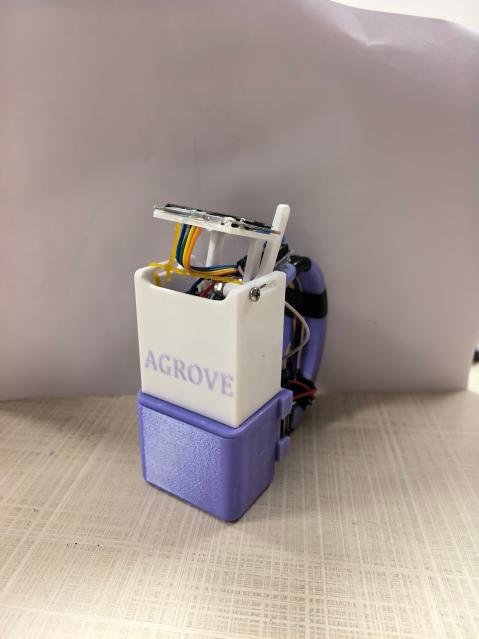

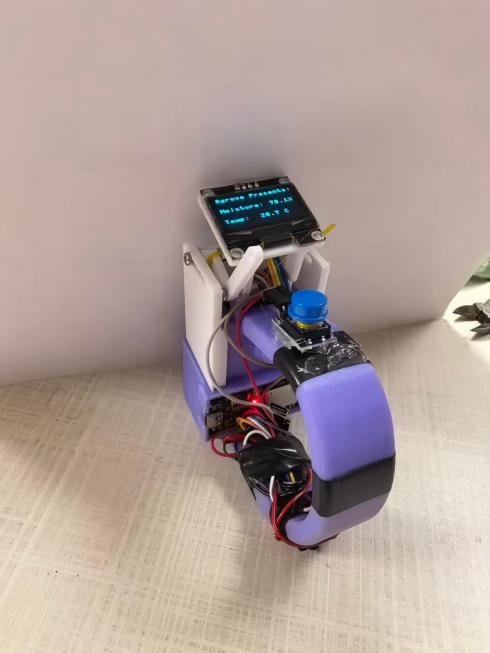
The sensor uses dual-wavelength near-infrared transmission to estimate leaf water content through differences in optical absorption. Its 1450 nm channel targets a relatively strong absorption band associated with water, while the 1300 nm channel provides a weaker-absorption reference for compensating for some structural and optical variation.
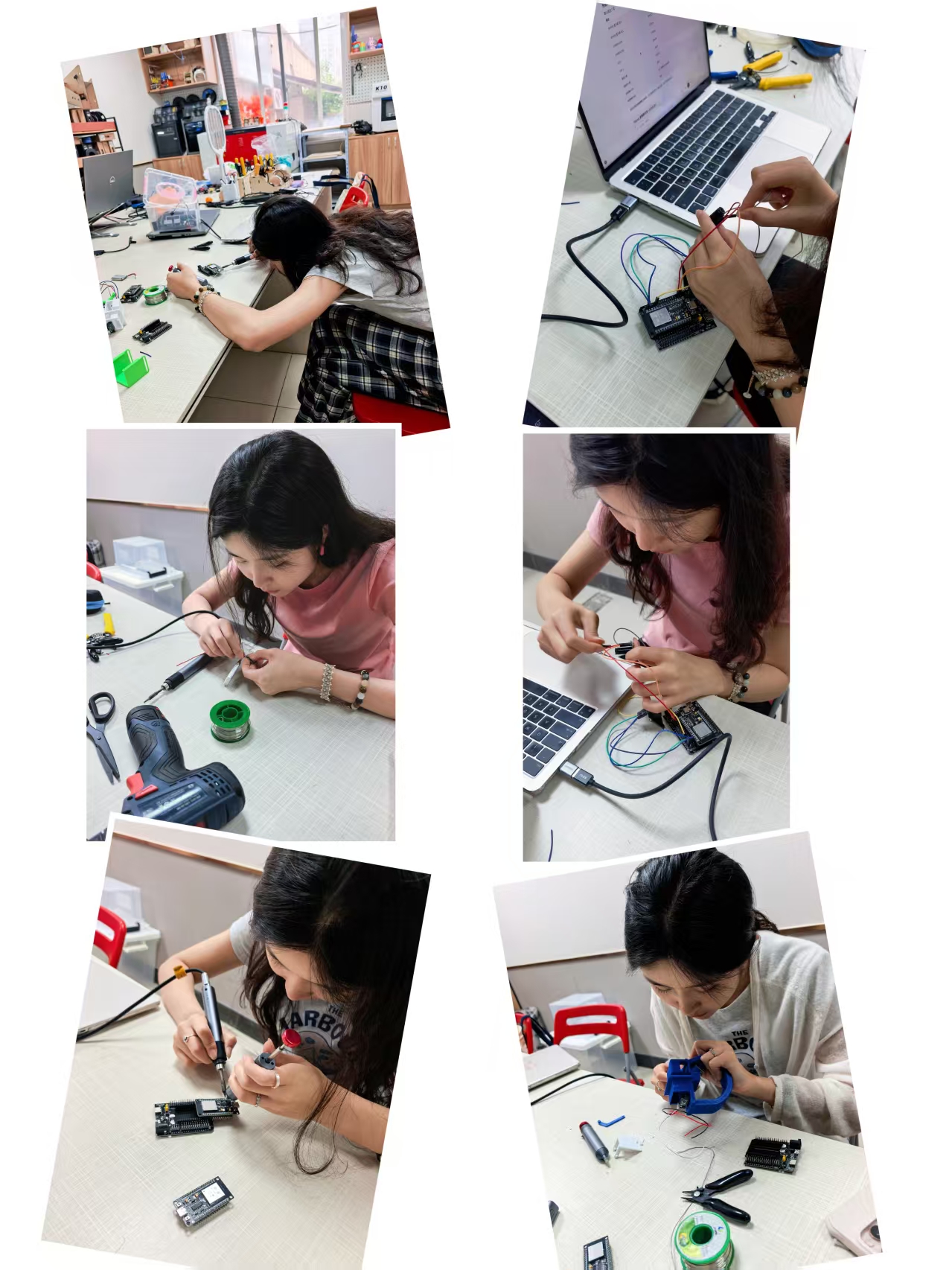
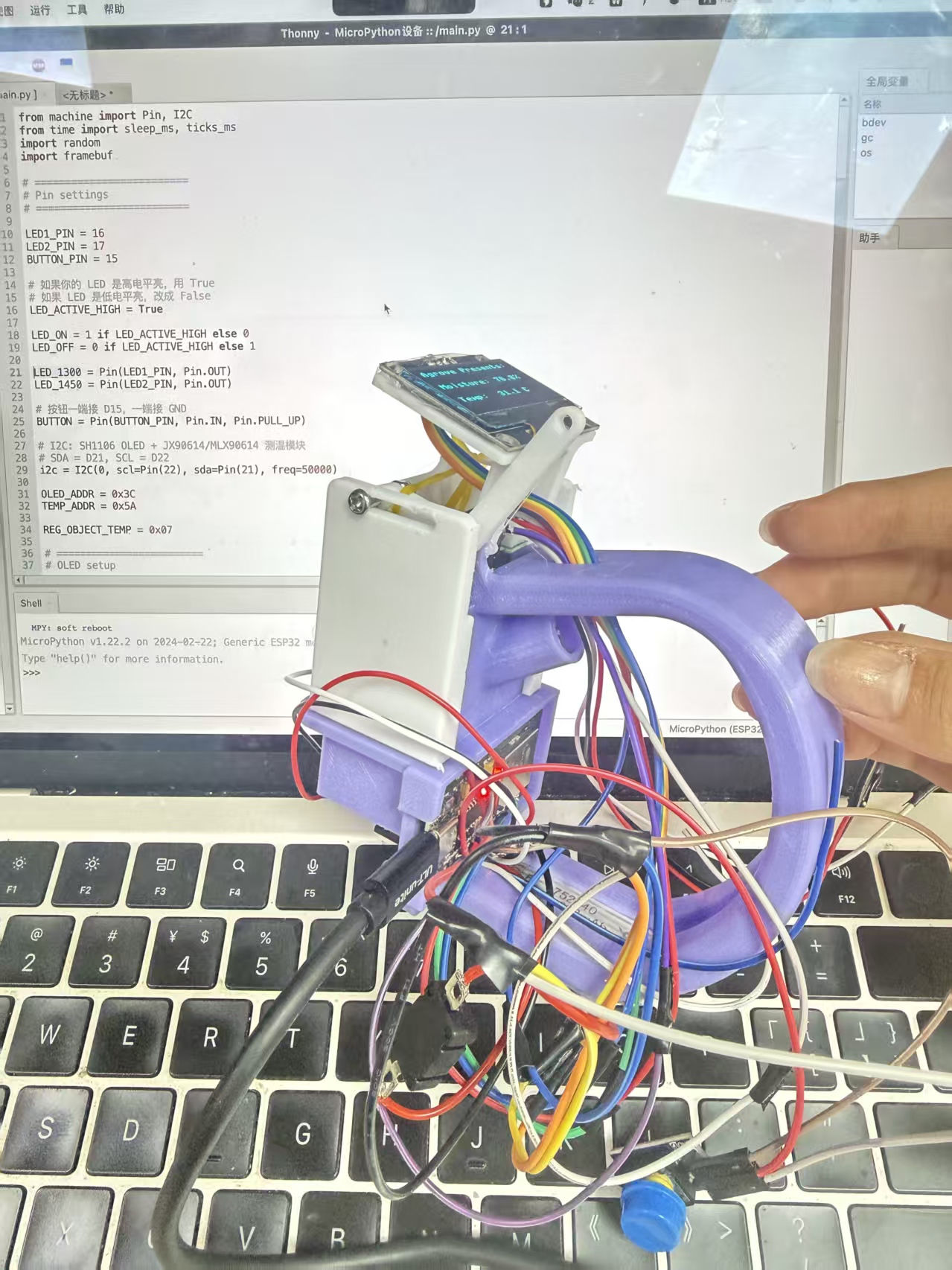
An InGaAs PIN photodiode detects transmitted light, with an OPA657 transimpedance amplifier and ADS1115 16-bit analog-to-digital converter supporting low-noise signal acquisition. An ESP32 microcontroller controls wavelength switching, baseline correction, signal processing, and data communication.
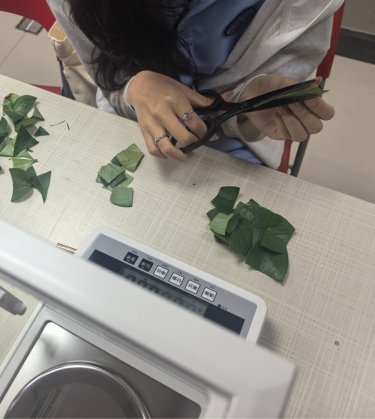
By combining the two measurements through normalized absorbance, the model reduces sensitivity to a shared optical-path factor under the assumptions of the simplified absorption model. Reference water-content measurements are obtained by weighing sampled leaves before and after oven drying at 105°C, providing a basis for calibration and evaluating the relationship between the optical signal and actual water content.
My early design tried to measure leaf thickness using an additional infrared distance sensor. Until I realized that ordinary distance modules resolve distances on the scale of millimeters, while leaves can be only a few tenths of a millimeter thick.
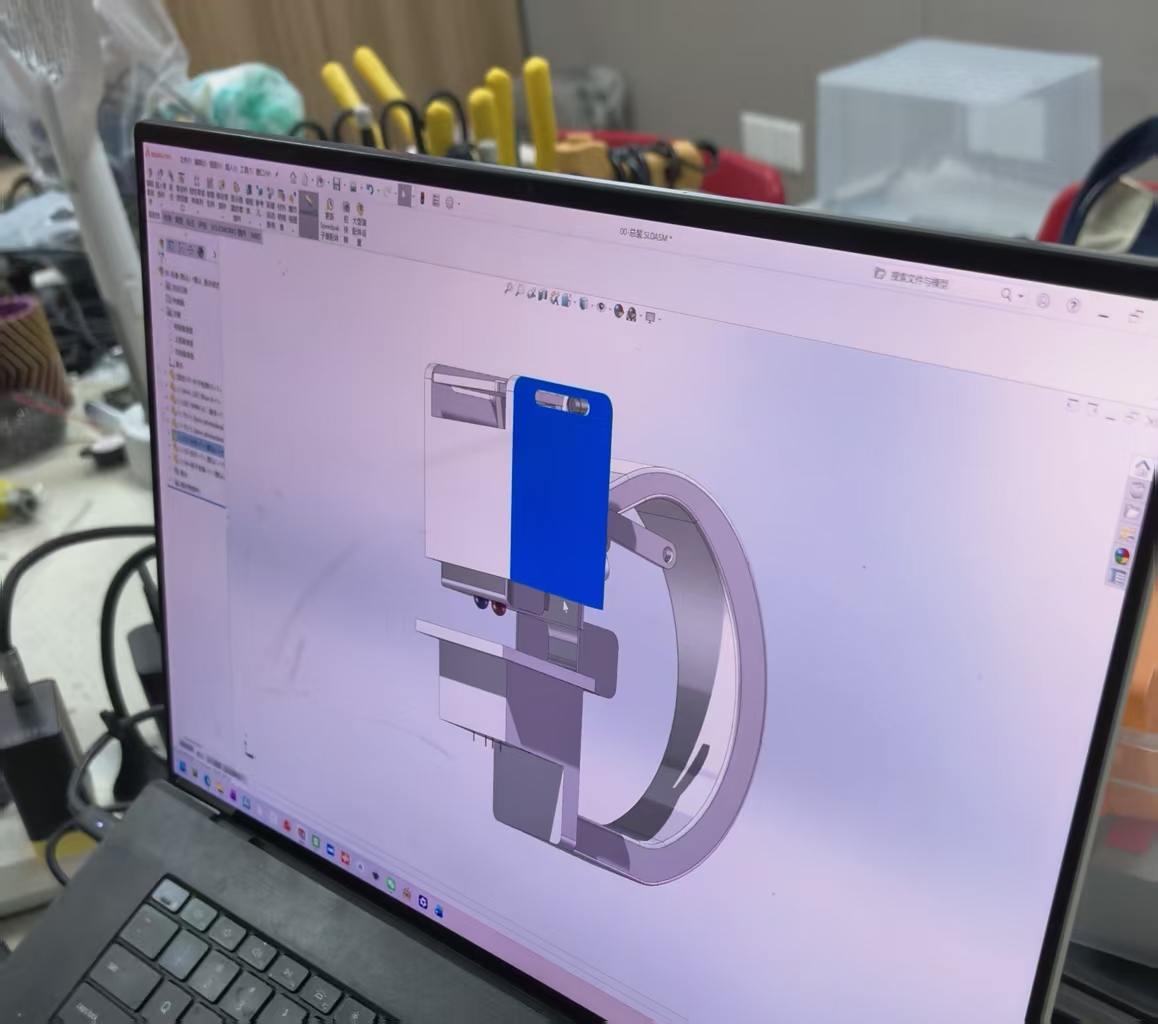
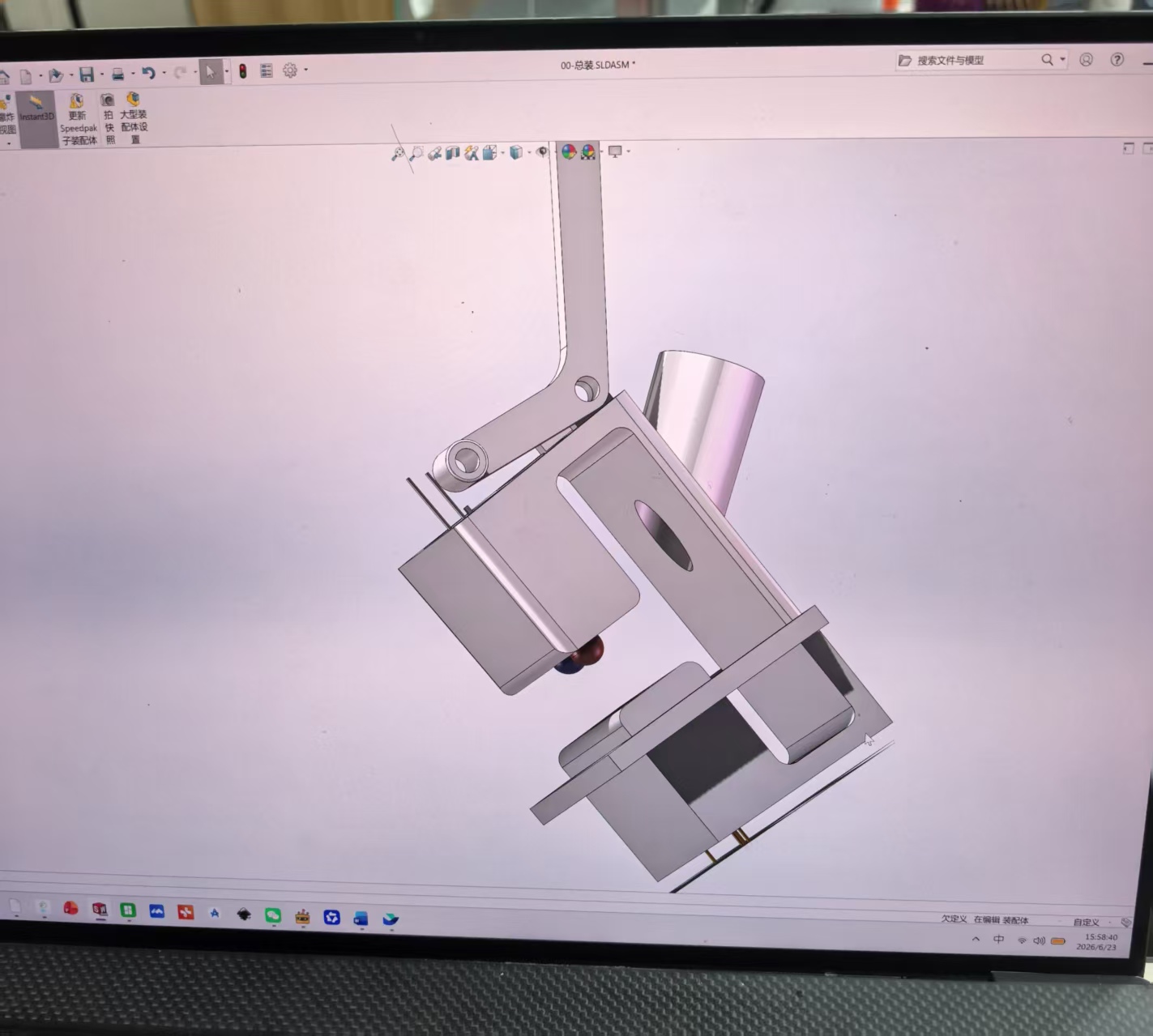
The extra sensor produced unstable readings, and differences in leaf reflectance made the problem worse. I eventually abandoned direct infrared thickness measurement and redesigned the chamber around controlled clamping pressure, dual-wavelength normalization, and empty-chamber baseline correction.
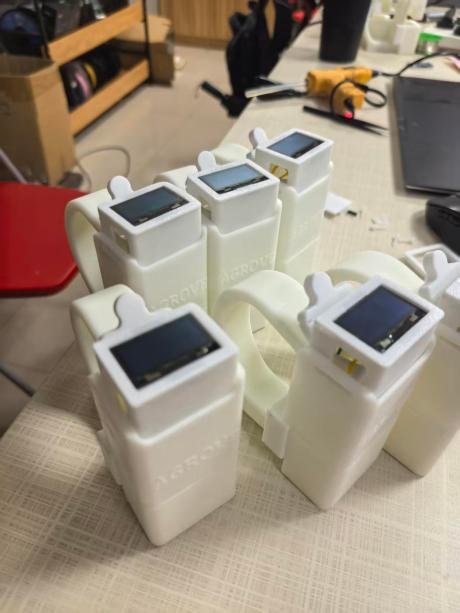
Sunlight posed another obstacle. Near-infrared radiation from the surrounding environment could interfere with the detector, so I developed an enclosed optical chamber and a measurement sequence that accounts for background signals. These revisions also reduced the number of components the farmer would have to maintain.